






Travel through the Middle East remains uncertain as several aviation safety advisories approach their 30 September review date, leaving airlines and travellers navigating a rapidly changing regional airspace.
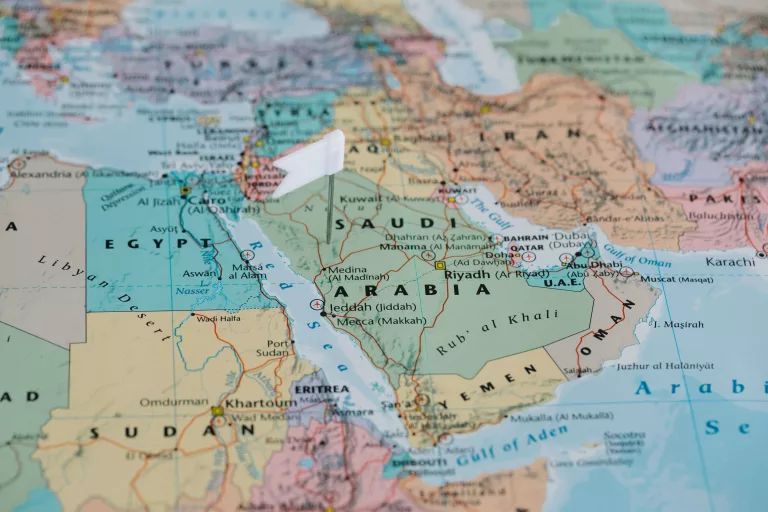
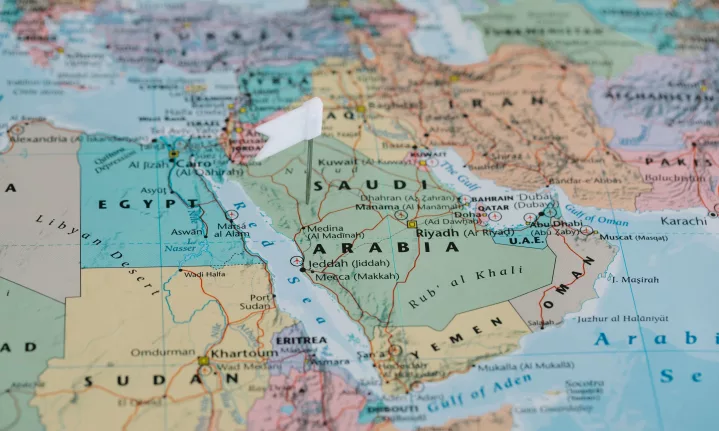
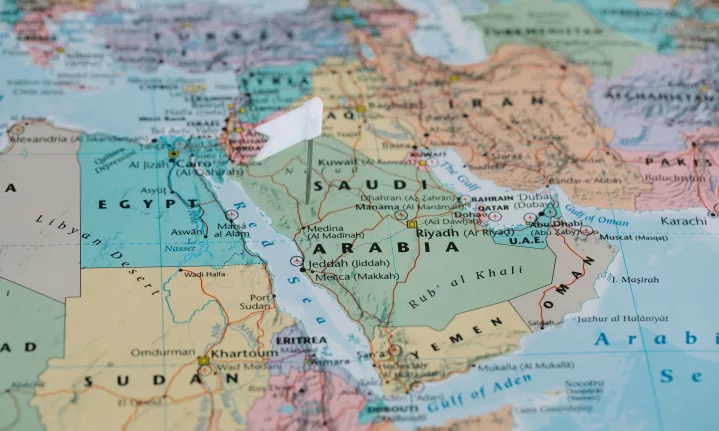
Detailed close-up image of a map focusing on Middle East and North Africa / Lara Jameson / Pexels
The European Union Aviation Safety Agency (EASA) continues to advise against operations in the airspace of Iran, Iraq and Lebanon, while separate guidance covers parts of the Gulf, Israel and surrounding airspace. The current Gulf advisory is also due for review at the end of September.
For travellers, this does not automatically mean flights will be cancelled. Airlines can continue operating where appropriate risk assessments and safety measures are in place, but routes may be adjusted as conditions change.
And for South Africans, the impact can extend beyond trips to the Middle East itself.
The region is a major international aviation hub, with thousands of passengers travelling through airports in the UAE, Qatar and other Gulf states on their way between South Africa, Europe and Asia. Changes to airspace can therefore result in rerouted flights, longer journeys, schedule changes or missed connections.
Recent developments have already highlighted how quickly things can shift. On 24 September, the UAE suspended flights operated by Iranian airlines following new US sanctions targeting companies doing business with Iranian carriers.
For anyone travelling through the region, checking a flight once is no longer enough. Airline apps and websites should be monitored regularly, particularly in the hours before departure.
Travellers should also keep an eye on connecting flights rather than checking only the first leg of their journey. A change to one route can have a knock-on effect across an entire itinerary.
The expiry of an aviation bulletin on 30 September also does not necessarily mean restrictions will disappear the following day. EASA continues to monitor the situation and can extend or revise its guidance as conditions develop.
For now, travellers heading through the Middle East would be wise to build some flexibility into their plans, stay informed and check directly with their airline before heading to the airport.
Source (The South African)
Follow us on social media for more travel news, inspiration, and guides. You can also tag us to be featured.
Instagram | Facebook | Twitter | Spotify
ALSO READ:
5 places to experience South Africa’s spring without visiting a flower hotspot